

Tuesday, April 21, 2026 – When Love Turns Into Worship
Devotional Thought
Psalm 116:12 (NLT) — 12 What can I offer the Lord for all he has done for me?
Clarity doesn’t just change how we think—it changes how we respond.
Psalm 116 is the voice of someone who has come through something. Trouble. Fear. Near despair. And on the other side of it, they’re asking a different question:
Not “How do I survive?”
But “How do I respond?”
Because when you realize God has been with you—when you see how He has carried you—something shifts in your heart.
Gratitude rises.
Worship deepens.
Love becomes visible.
This is what happens when hearts begin to burn again. Not because everything is perfect—but because you can see God in it.
Going Deeper
Scripture Reading
Psalm 116:1–4 (NLT) — 1 I love the Lord because he hears my voice and my prayer for mercy. 2 Because he bends down to listen, I will pray as long as I have breath! 3 Death wrapped its ropes around me; the terrors of the grave overtook me. I saw only trouble and sorrow. 4 Then I called on the name of the Lord: “Please, Lord, save me!”
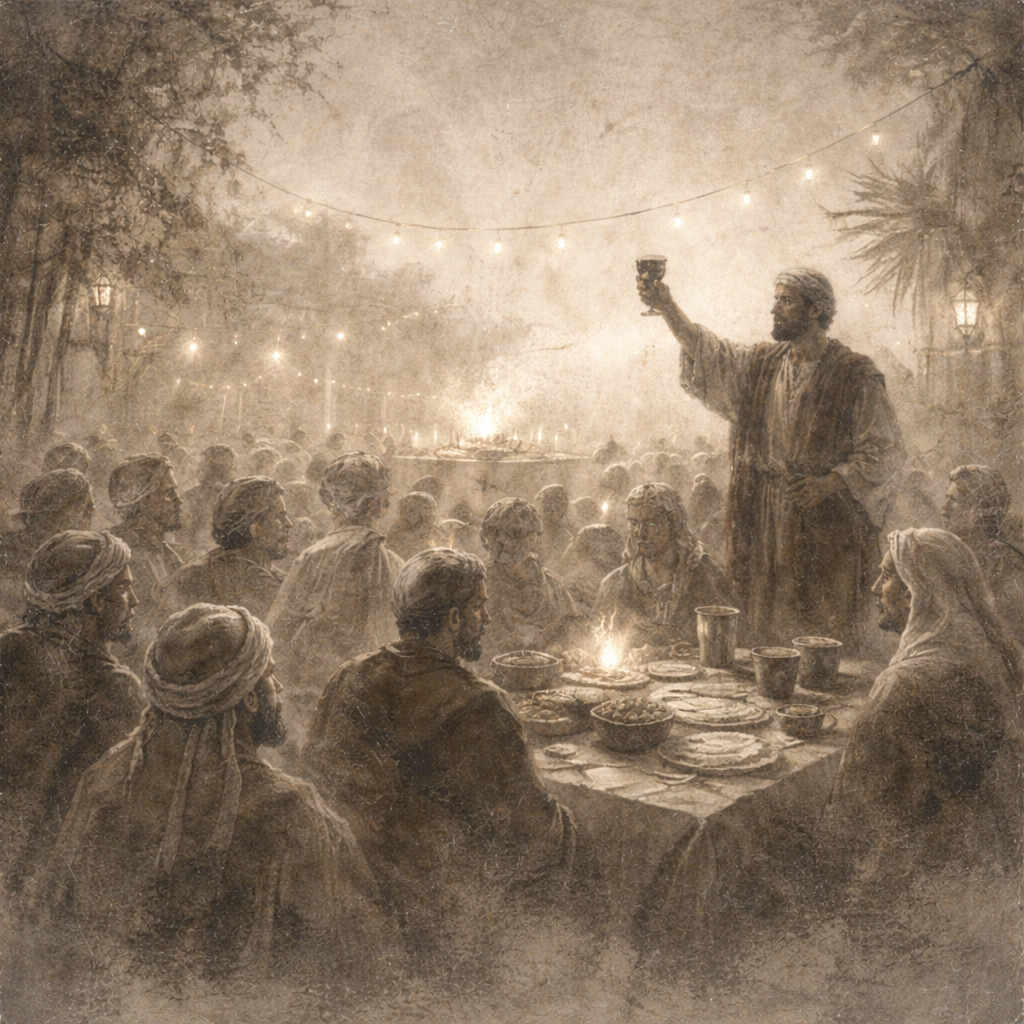
Psalm 116:12–19 (NLT) — 12 What can I offer the Lord for all he has done for me? 13 I will lift up the cup of salvation and praise the Lord’s name for saving me. 14 I will keep my promises to the Lord in the presence of all his people. 15 The Lord cares deeply when his loved ones die. 16 O Lord, I am your servant; yes, I am your servant, born into your household; you have freed me from my chains. 17 I will offer you a sacrifice of thanksgiving and call on the name of the Lord. 18 I will fulfill my vows to the Lord in the presence of all his people— 19 in the house of the Lord in the heart of Jerusalem. Praise the Lord!
Historical Context
Psalm 116 is part of the “Hallel” psalms (113–118), traditionally sung during Jewish festivals like Passover. It reflects a personal testimony of deliverance—someone who cried out to God in distress and experienced His rescue.
Literary Context
This psalm moves from:
- Personal distress and prayer
- To God’s response and deliverance
- To a public expression of gratitude and worship
It is both intimate and communal.
Theological Context
Worship is not just ritual—it is response. God’s saving action invites:
- Gratitude
- Surrender
- Public declaration
Love for God grows as we recognize His faithfulness.
Key Insights
- Gratitude grows when we recognize God’s presence in our story.
- Worship is a response to what God has done, not just a routine.
- Remembering God’s faithfulness fuels present trust.
- Hearts burn when we see clearly.
- Love for God becomes visible through response.
Looking In the Mirror
- Where have you experienced God’s faithfulness recently?
- Have you paused to acknowledge it—or moved on quickly?
- What would it look like to respond with gratitude today?
- How might worship become more personal for you this week?
Guided Prayer
Father,
Thank You for the ways You have been present in my life—
even when I didn’t fully see it at the time.
You have carried me, helped me, and stayed with me.
Forgive me for the times I rush past Your goodness
without stopping to respond.
Today, I choose gratitude.
Open my eyes to see You more clearly,
and let my heart respond with love and worship.
Teach me to live aware of Your faithfulness.
Amen.
Leave a Reply