

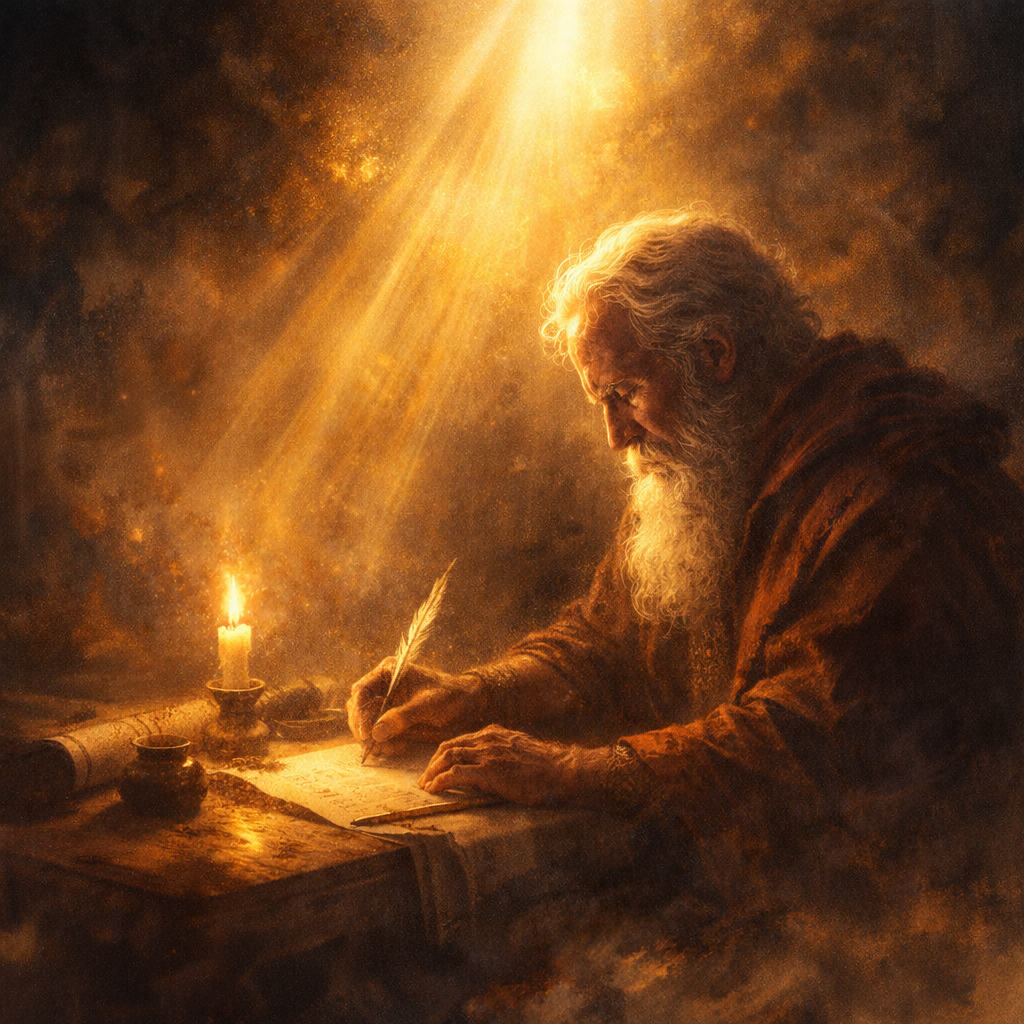
Wednesday, February 18, 2026 — 2 Peter 1:16–21
Devotional Thought
We live in a skeptical age. We question motives, doubt claims, and hesitate to trust what we can’t verify. Even faith can start to feel fragile when it rests on stories passed down through generations.
Peter speaks directly into that tension. Near the end of his life, he insists that their proclamation was not a clever religious narrative. It was also not an inspiring metaphor. It was something they saw. Something they heard. Something that changed them forever.
Peter recalls the mountain. It was the moment when Jesus’ glory was revealed. The voice from heaven declared, “This is my dearly loved Son, who brings me great joy.” That experience did not replace Scripture; it confirmed it. The glory on the mountain illuminated what had been true all along.
Seeing clearly does not mean living on spiritual highs. It means trusting that God has spoken. God continues to speak through Christ and through Scripture. He speaks through the steady light that guides us even when the mountain fades from view.
Going Deeper
Scripture Reading
2 Peter 1:16–21 (NLT) — 16 For we were not making up clever stories when we told you about the powerful coming of our Lord Jesus Christ. We saw his majestic splendor with our own eyes 17 when he received honor and glory from God the Father. The voice from the majestic glory of God said to him, “This is my dearly loved Son, who brings me great joy.” 18 We ourselves heard that voice from heaven when we were with him on the holy mountain. 19 Because of that experience, we have even greater confidence in the message proclaimed by the prophets. You must pay close attention to what they wrote, for their words are like a lamp shining in a dark place—until the Day dawns, and Christ the Morning Star shines in your hearts. 20 Above all, you must realize that no prophecy in Scripture ever came from the prophet’s own understanding, 21 or from human initiative. No, those prophets were moved by the Holy Spirit, and they spoke from God.
Historical Context
Second Peter was written to early Christians facing doubt, opposition, and false teaching. Peter was an eyewitness to Jesus’ ministry. He grounds the church’s faith not in speculation. Instead, it is based on lived experience and apostolic testimony.
Literary Context
This passage functions as a personal testimony within a pastoral letter. Peter links the transfiguration to the reliability of Scripture. He argues that revelation and written witness belong together in the life of faith.
Theological Context
Peter affirms that God reveals truth through both experience and Scripture, guided by the Holy Spirit. Faith is not built on private interpretation or imagination, but on God’s initiative to make Himself known in Jesus.
Key Insights
- Christian faith is rooted in real encounters, not invented stories.
- Moments of glory confirm, rather than replace, Scripture.
- God’s truth is illuminated over time, not all at once.
- The Spirit guides both revelation and understanding.
- Seeing clearly means trusting the light that remains after the mountain moment passes.
Looking in the Mirror
- Where do I struggle to trust the foundations of my faith?
- How do past experiences with God shape my present trust?
- Do I look for constant spiritual highs, or lasting guidance?
- How might Scripture be inviting me to see Jesus more clearly right now?
Leave a Reply